WA State IDD Legislative Advocacy: 2026 Session Guide

These Steps
Every state has a capitol, and every capitol has steps. I’ve had the privilege of standing on my state’s capitol steps twice, and each time I’m reminded of the history, advocacy, and democratic moments those steps have witnessed. They symbolize the many voices that have gathered to share experiences, raise awareness, and strengthen our understanding of community needs.
Why This Moment Matters
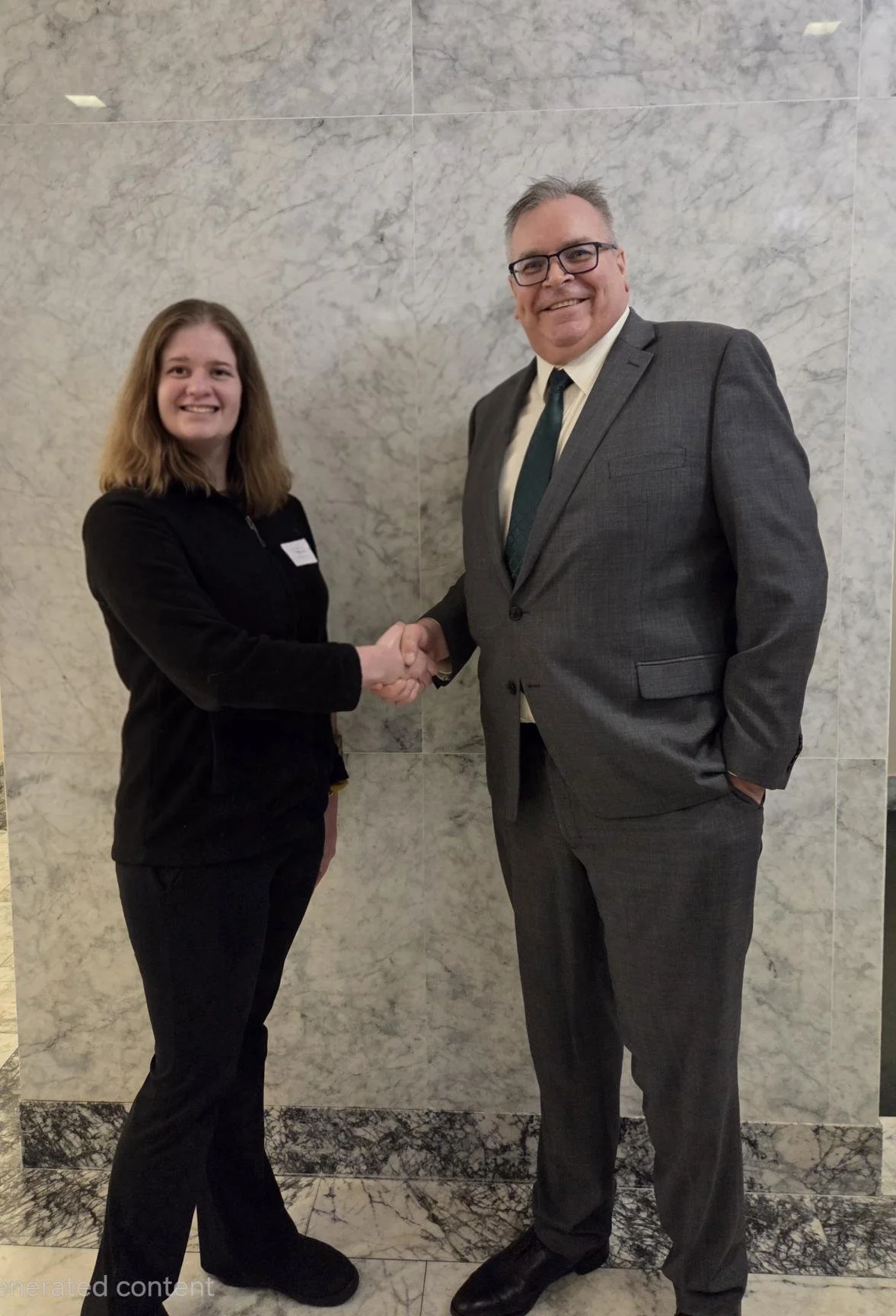
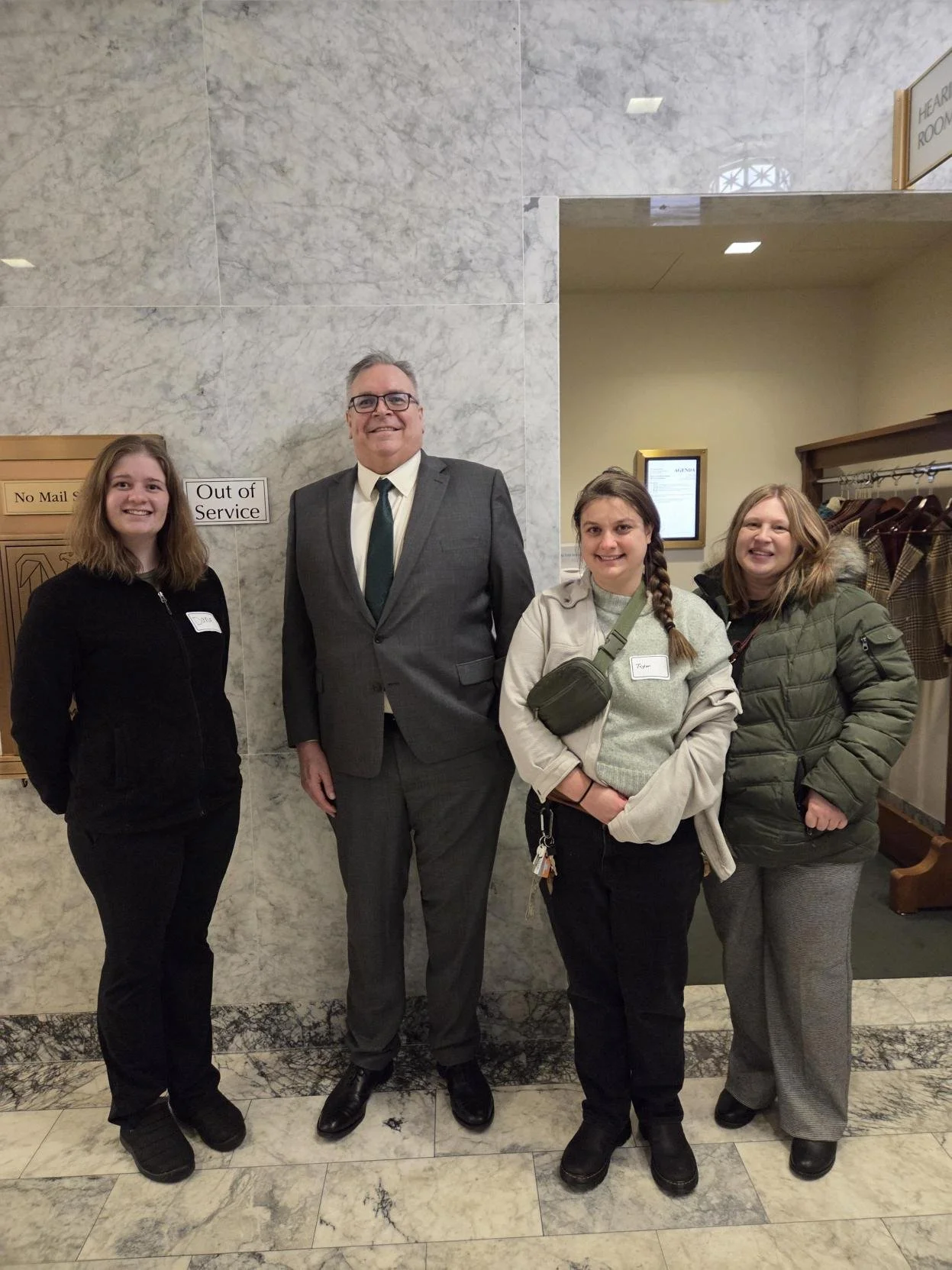
This year, as I attended the Community Living Rally on the capitol steps in Olympia, that same sense of empowerment returned. I connected with self‑advocates with intellectual and developmental disabilities (IDD), parents, caregivers, and families who shared their stories and lived experiences. Hearing these perspectives highlights why it is so important for our community to stay informed about the systems and services that support individuals with IDD.
Washington State is currently in a short legislative session, running from January through March. Short sessions move quickly, with tight timelines and limited budgets. For individuals with IDD and their families, understanding what happens during these sessions can help them better navigate changes, ask informed questions, and stay aware of how decisions may influence essential supports.
This year, discussions include potential adjustments to funding and eligibility for certain services. These conversations occur regularly at both the state and federal levels, and staying informed helps families prepare and participate in community dialogue.




Understanding the Role of IDD Services
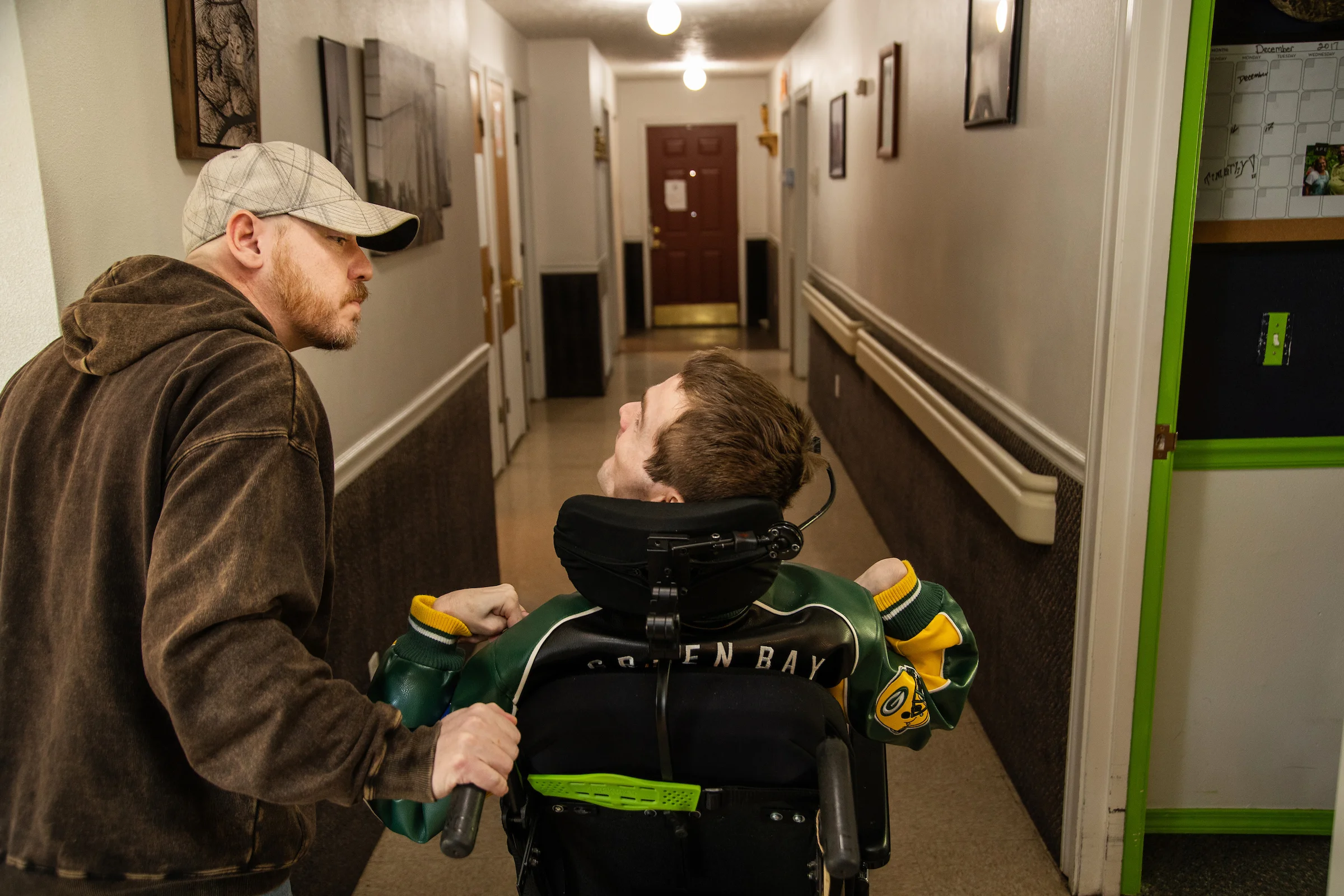
Home‑ and community‑based services are essential supports that help individuals with IDD live meaningful, self‑directed lives. These services promote independence, safety, and community connection. Examples include:
Medication management and nurse delegation
Direct support staff and providers
Employment supports
Community living options
Respite for caregivers
Community inclusion and engagement
Transportation
Access to recreational activities and life‑skills development
And more
These supports allow individuals to live in their communities rather than in institutional settings. They also help families maintain stability and prevent avoidable crises such as hospitalization or loss of housing. Understanding the purpose and impact of these services helps highlight why they are so important to the well‑being of individuals and families across Washington.

A Community Worth Supporting
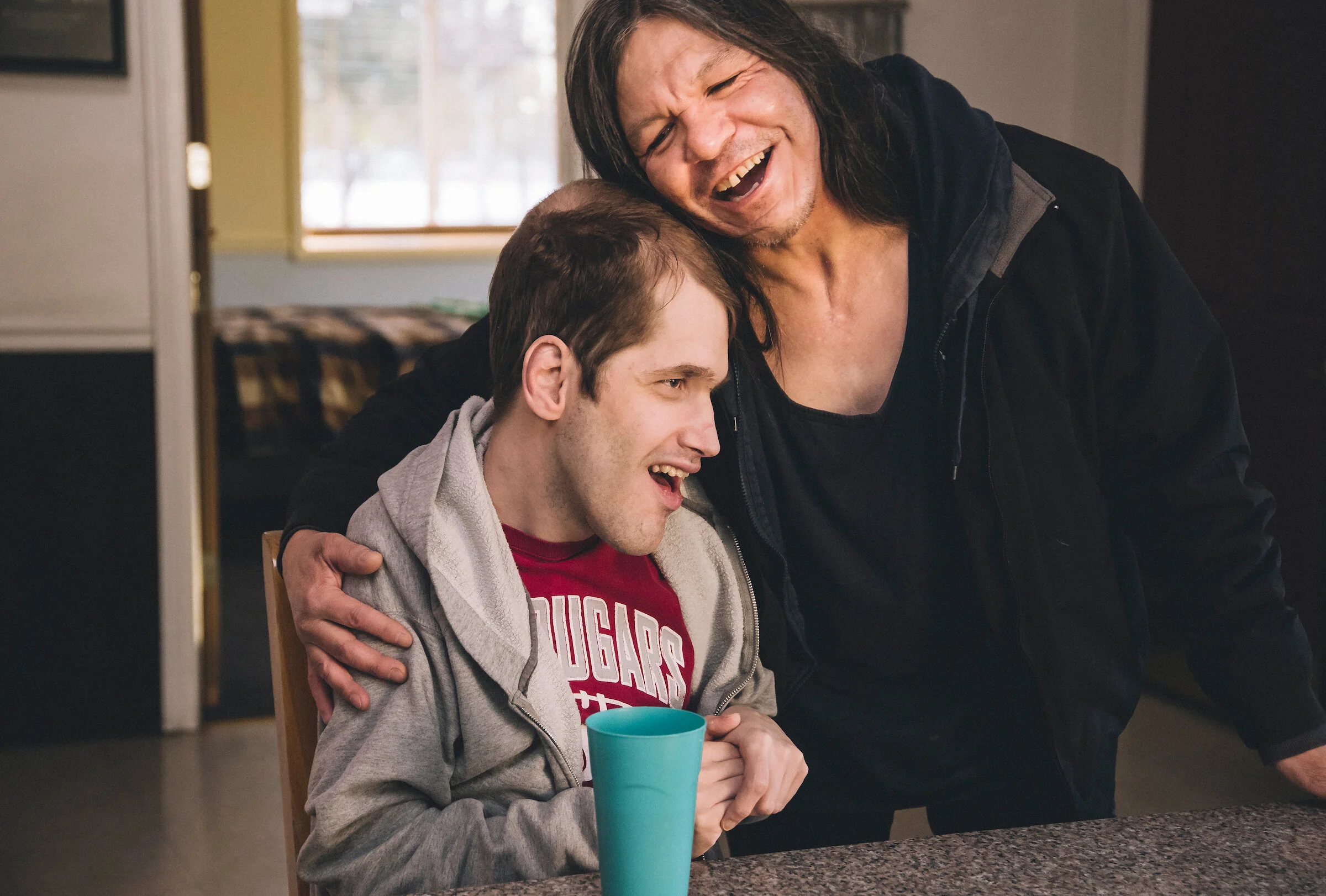
Individuals with IDD deserve the opportunity to live full, vibrant lives—just like anyone else. They deserve access to work, friendships, recreation, travel, and personal growth. Families and caregivers also need reliable support so they can care for their loved ones without facing burnout or financial strain.
Recognizing the value of these services helps build a more informed and compassionate community. It encourages thoughtful conversations about how to maintain strong, accessible supports for all.
Sharing Experiences Strengthens Understanding
Personal stories help illustrate how services impact daily life. When individuals and families share their experiences, it helps others learn, connect, and better understand the importance of these supports.
If changes to services affect you or someone you love, your perspective is valuable. Share your experience or connect with us: advocacy@arc-spokane.org
Stay Informed and Connected
There are several ways to learn more about what’s happening during the legislative session and how it may relate to the IDD community:
Advocacy Days: Weekly educational sessions held every Wednesday at 10 a.m. on Zoom. Meeting Registration – Zoom: Meeting Registration - Zoom
Action Center – The Arc Washington: Action Center – The Arc Washington
Washington State Legislature: Washington State Legislature
You can also join the Parent Coalition through The Arc of Spokane to stay connected with other families and receive ongoing updates and resources: The Arc of Spokane Membership


Your Voice Matters
Awareness and shared experiences help strengthen our community. When individuals and families understand the systems around them, they are better equipped to participate in conversations, ask questions, and advocate for strong, stable supports.
Your lived experience is powerful. Your story contributes to a broader understanding of what individuals with IDD need to thrive. Together, we can continue building a community where every person is valued, supported, and able to live a meaningful life.