
Ending Restraint and Isolation in Spokane
By Dana Fletcher, Spokane County Parent Coalition Coordinator (SCPC)
Building Inclusive Schools
Talking about restraint and isolation in schools is hard. It brings up big feelings and real fears, especially for families of disabled students. As Washington State prepares to look at new bills around restraint and isolation, Spokane Public Schools has already been working on changes for several years. Those changes focus on relationships, communication, and understanding students better.
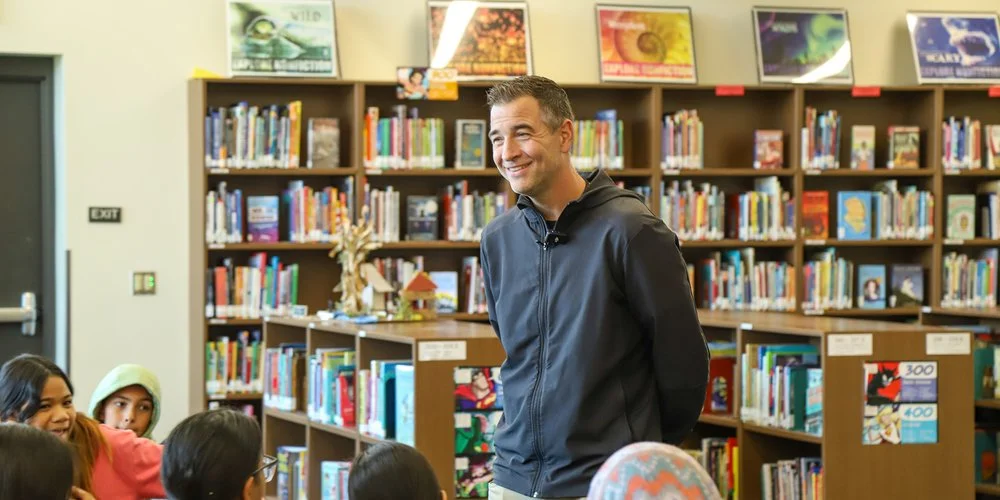
When I spoke with SPS Superintendent Dr. Adam Swinyard, he shared that this work did not start with a policy or a rule. “It’s really important to be connected to the whole school community,” he said. Students, families, and staff were invited to talk openly about their experiences. “We need to be able to have open dialogue about the experiences our kids are having,” he explained. Hearing those stories helped the district understand why restraint and isolation needed to change and how those practices affected real people.
“Systems can tend to become impersonal and disassociated from humanity. But it doesn’t have to be that way.”
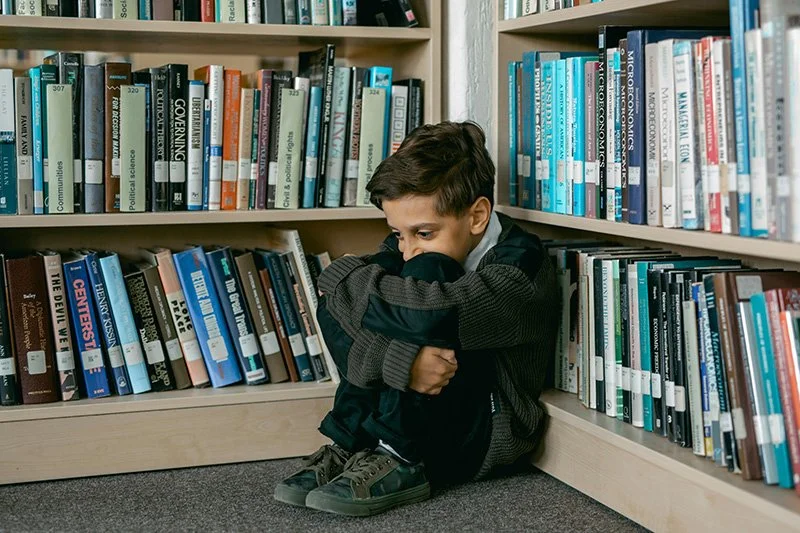
One big shift has been moving away from the idea that one response works for every student. Spokane Public Schools uses a system called MTSS to help teams, including families, work together to support students. Dr. Swinyard said, “You can say you believe every child is different, but if you don’t have systems to operationalize that, it just becomes conversation.” The focus is on noticing when students are struggling and stepping in early, before things reach a crisis point.
In 2021, Spokane Public Schools removed isolation rooms from all schools in the district. This change came with a lot of planning and training. Staff received support focused on verbal de-escalation, classroom setup, and helping students calm their bodies and emotions. “We want students to co-regulate and move toward independence,” Dr. Swinyard said. He explained that the goal was to help students feel safe and supported instead of relying on isolation when things got hard.
Inclusion is a big part of this work. Dr. Swinyard shared that it begins with what a school believes about its students. “All students belong,” he said. “We are really pursuing an inclusive perspective in everything we do.” One example was during Spirit Week, when unified basketball games were held alongside traditional high school games. The students played in front of a full crowd, just like their peers. “It’s amazing because it’s not that hard to set up,” he said. “The gym was already there. Everything was ready. Of course, they deserved to play...The beauty of it is that when you have that shift in belief and value, then those opportunities for access start sprouting up all over the place. It's almost like a meadow, and then all these flowers just start popping up…it really becomes a beautiful mosaic of opportunity for all kids.”
Families play a significant role in this process. Dr. Swinyard said clearly that parents and caregivers are the most important advocates in their child’s life. “We want families to show up in that space,” he said, “and we’re going to show up together through relationship, through community, through collaboration.” Building trust early helps prevent relationships from becoming tense when challenges come up. Even when people disagree, the goal is to stay connected and respectful.
For smaller or rural school districts, Dr. Swinyard said the biggest lesson from Spokane is not about having more resources. It is about mindset. “If the culture and beliefs don’t change and you jump straight to ‘we need to do this,’ it becomes easy to focus on all the reasons why it can’t happen,” he said. “But if you start with what you believe is best for kids, then how do you innovate within your local context?” Change might look different in different places, but progress is still possible.
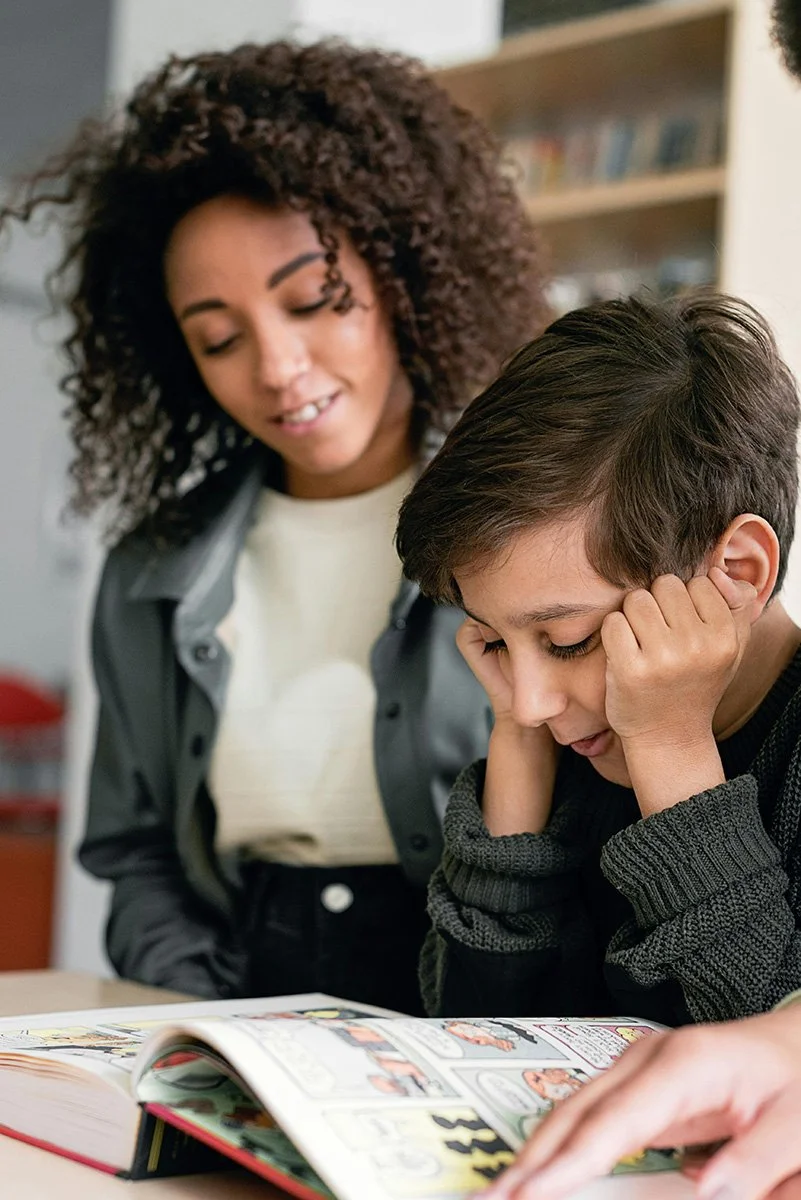
He also discussed the importance of districts learning from one another. “There’s a lot of power in talking to someone who’s already gone through that shift,” he said. “It’s very different to read about something or go to a training than to actually hear from someone who has made the changes work in real schools.”
As lawmakers consider new restraint and isolation legislation, Spokane’s experience shows that real change takes time and support. “We care about our kids, we care about each other,” Dr. Swinyard said. “Systems can tend to become impersonal and disassociated from humanity. But it doesn’t have to be that way.”
One of the clearest signs of success is this. Dr. Swinyard shared that it has been years since a staff member has asked why restraint or isolation could not be used. “Staff recognize success and feel proud of it. They have ownership and agency in that success,” he said. When people believe in the work and take pride in it, change becomes an integral part of the culture. And when schools keep their focus on human connection, students, families, and staff all benefit.
Your gift helps create inclusive opportunities for people with intellectual and developmental disabilities—empowering individuals to live with independence, dignity, and purpose. Together, we’re building a stronger, more inclusive community.
You Can Help Make Spokane A Little More Inclusive Today!

You Can Help Make Spokane A Little More Inclusive Today!
Your gift helps create inclusive opportunities for people with intellectual and developmental disabilities—empowering individuals to live with independence, dignity, and purpose. Together, we’re building a stronger, more inclusive community.